The Ultimate Guide to Choosing Eco-Friendly Outdoor Cushions for Sustainable Living
In recent years, the demand for eco-friendly outdoor cushions has surged, reflecting a growing awareness of sustainability in outdoor living spaces. According to a report by Grand View Research, the global outdoor furniture market is projected to reach USD 25.6 billion by 2025, with a significant portion driven by consumers looking for environmentally responsible options. Not only do outdoor cushions contribute to the aesthetic appeal of patios, decks, and gardens, but they also play a crucial role in promoting sustainable living practices. With materials such as recycled plastics and organic fabrics increasingly being utilized, choosing the right outdoor cushions has become essential for those committed to reducing their environmental footprint. This guide will explore key factors to consider when selecting eco-friendly outdoor cushions, ensuring your outdoor space is both stylish and sustainable.
Understanding the Environmental Impact of Traditional Outdoor Cushions
Traditional outdoor cushions, often made from synthetic materials like polyester or acrylic, can have a significant environmental impact. The production of these materials involves petrochemicals, which contribute to pollution and greenhouse gas emissions. Additionally, many of these cushions are not biodegradable and can remain in landfills for years, leaching harmful substances into the soil and water. This cycle of pollution and waste is a major concern for eco-conscious consumers looking to maintain sustainable living practices.
When choosing eco-friendly outdoor cushions, consider materials that are both sustainable and durable. Look for cushions made from natural fabrics like organic cotton, hemp, or recycled plastic bottles. These alternatives not only reduce the reliance on virgin materials but also often come with better durability against the elements.
Tips:
- Check for certifications, such as OEKO-TEX or GOTS, that ensure materials are free from harmful chemicals.
- Opt for cushions with removable, washable covers to extend their life and keep them fresh.
- Always favor products that are locally sourced to minimize transportation emissions.
Key Materials for Eco-Friendly Outdoor Cushions: What to Look For
When selecting eco-friendly outdoor cushions, the choice of materials is crucial in promoting sustainable living. According to a report by Green Home Guide, outdoor textiles made from recycled materials such as PET (polyethylene terephthalate) can significantly reduce environmental impact. PET cushions not only utilize post-consumer plastic bottles but also help decrease landfill waste, showcasing a circular economy approach that many manufacturers are adopting.
Additionally, natural fibers like organic cotton and hemp are increasingly favored for their biodegradability and reduced use of harmful pesticides during cultivation. The Global Organic Textile Standard (GOTS) emphasizes that organic materials can lower the environmental footprint of outdoor furniture. Choosing cushions that are dyed with non-toxic, water-based dyes further enhances their eco-friendliness, as conventional dyes can contribute to water pollution. The environmental benefits of these materials underline the importance of making informed choices that reflect a commitment to sustainability while enjoying the outdoors.
The Environmental Impact of Different Outdoor Cushion Materials
Evaluating Durability and Lifecycle of Eco-Friendly Cushion Options
When selecting eco-friendly outdoor cushions, evaluating their durability and lifecycle is paramount. The materials used in these cushions often dictate how well they withstand the elements. Fabrics like recycled polyester or organic cotton are not only sustainable but also resilient against fading, mold, and mildew. It's crucial to choose cushions that are designed specifically for outdoor use, as they typically feature treatments that enhance their longevity while remaining environmentally friendly.
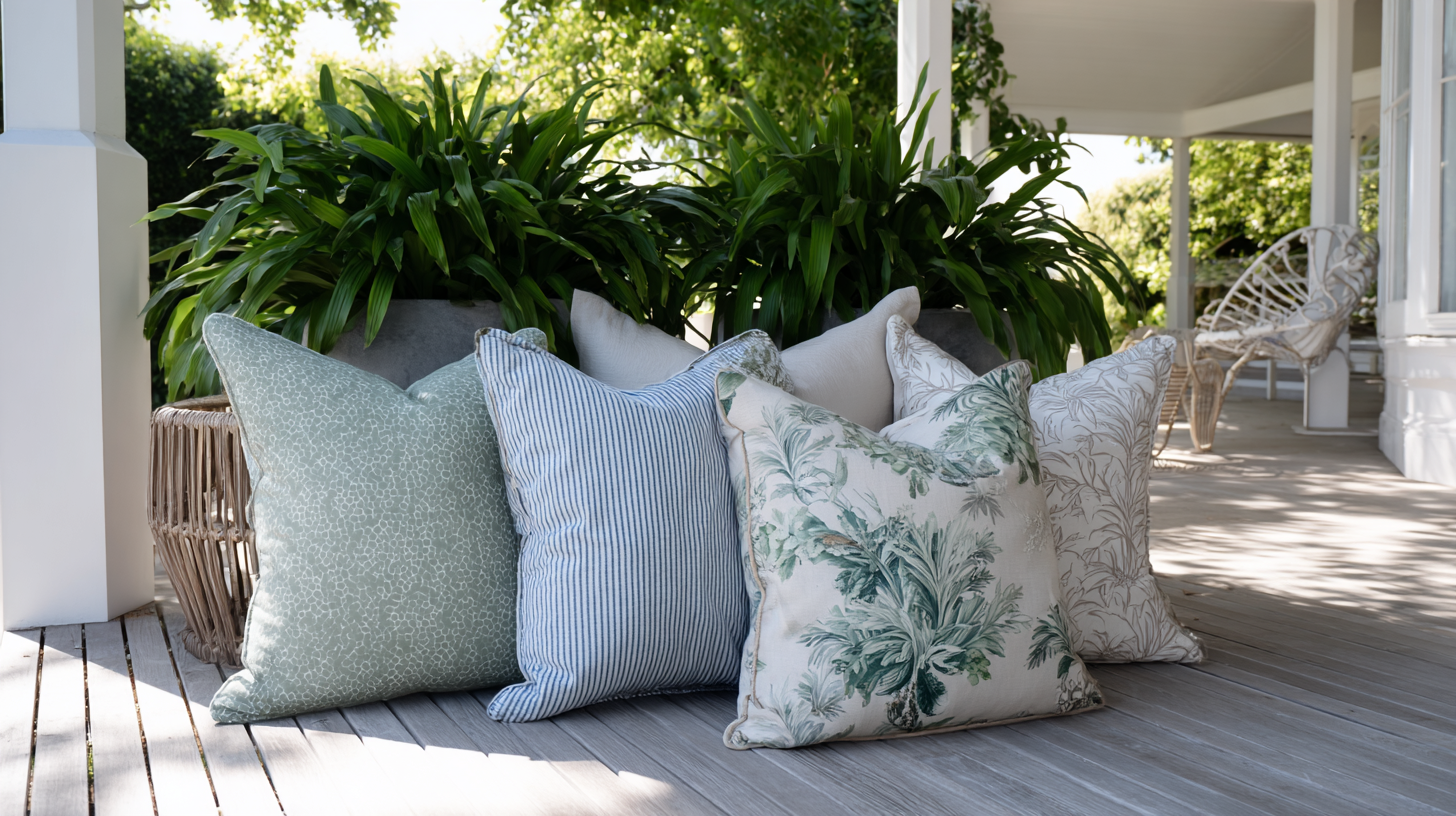
In addition to material selection, understanding the lifecycle of the cushions contributes to a more sustainable choice. Look for cushions that have a clear production process, ideally one that minimizes waste and utilizes eco-conscious methods. Beyond initial purchase, consider the cushion’s end-of-life scenario—whether they can be recycled or repurposed. Brands that offer lifetime warranties or recycling programs are preferable, as they demonstrate commitment to sustainability and encourage responsible consumption. By prioritizing durability and lifecycle, you not only enhance your outdoor experience but also make a positive impact on the environment.
Comparative Analysis of Sustainable Brands and Their Certifications
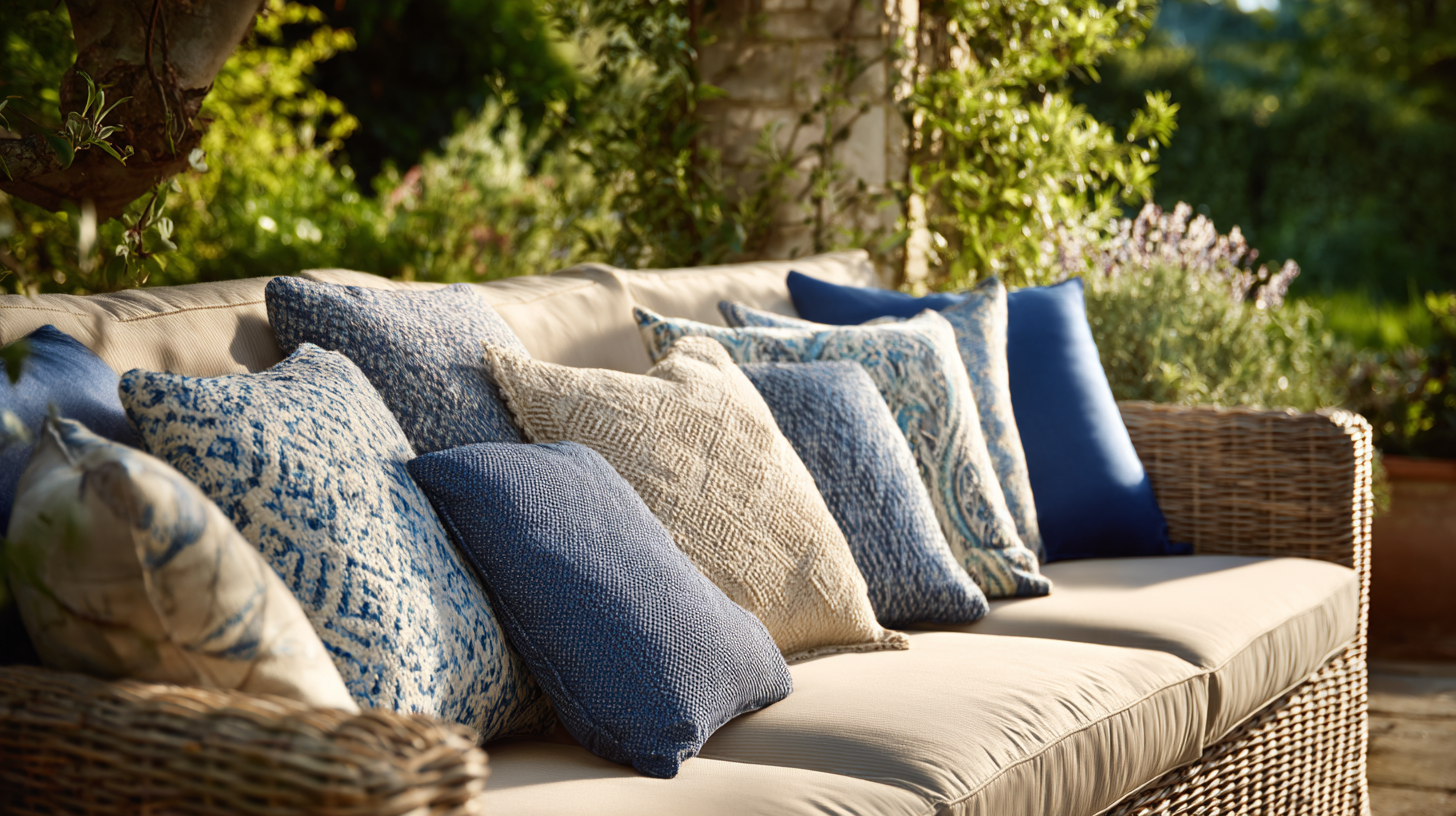 When selecting eco-friendly outdoor cushions, understanding the certifications that brands carry is crucial for ensuring sustainability. Many companies advertise their products as environmentally friendly, but labels like Global Organic Textile Standard (GOTS), OEKO-TEX, and Forest Stewardship Council (FSC) can help you discern the genuine from the green-washed.
GOTS certification signifies that organic fibers used in cushions meet strict environmental and social criteria throughout their production, while OEKO-TEX ensures that textiles are tested for harmful substances, providing an extra layer of safety for consumers.
When selecting eco-friendly outdoor cushions, understanding the certifications that brands carry is crucial for ensuring sustainability. Many companies advertise their products as environmentally friendly, but labels like Global Organic Textile Standard (GOTS), OEKO-TEX, and Forest Stewardship Council (FSC) can help you discern the genuine from the green-washed.
GOTS certification signifies that organic fibers used in cushions meet strict environmental and social criteria throughout their production, while OEKO-TEX ensures that textiles are tested for harmful substances, providing an extra layer of safety for consumers.
Additionally, brands that hold FSC certification indicate that the materials sourced for their cushions are derived from responsibly managed forests, thus promoting sustainable forestry practices. Engaging in a comparative analysis of different sustainable brands reveals a spectrum of choices, from those prioritizing recycled materials to others focusing on ethical labor practices. By examining the certifications associated with these brands, consumers can make informed decisions that align with their values and contribute to a more sustainable lifestyle.
Tips for Maintaining and Extending the Life of Eco-Friendly Cushions
Maintaining eco-friendly outdoor cushions is essential for ensuring their longevity and sustainability. One of the most effective tips is to regularly clean them using natural soap and water. Avoid harsh chemicals that can break down the materials and harm the environment. Gently scrub the cushions and rinse thoroughly to prevent mold and mildew, which can thrive in damp conditions.
In addition to regular cleaning, consider using protective covers when the cushions are not in use. This simple step can shield them from the elements, including sun damage, rain, and dirt, thus extending their lifespan. When storing cushions, keep them in a cool, dry place to prevent damage from humidity and pests. By taking these precautions, you can enjoy your eco-friendly outdoor cushions for years to come while reducing waste and contributing to a sustainable lifestyle.
Lastly, occasionally check for and repair any wear and tear. Small rips or loose seams can often be fixed with a needle and thread, allowing you to extend the life of your cushions and minimize waste. By actively maintaining your cushions, you support a healthier planet and embrace sustainable living practices.

 Catalog
 Replacement Cushions
 New Jersey Catalog