

How to Choose Quality Furniture for Global Sourcing?
Choosing Quality Furniture for global sourcing requires more than attractive photographs and competitive prices. It requires a practical review of materials, construction, factory capability, and long-term performance. Experienced buyers inspect samples under real conditions, not only inside polished showrooms. A dining chair should remain stable after repeated use, while cabinet doors should align smoothly without rubbing. Looks can mislead.
Solid wood, engineered panels, metal fittings, upholstery, and surface coatings each need different checks. Ask suppliers for material specifications, product drawings, inspection records, and relevant safety test reports. Confirm whether the documents match the actual production model. A trusted manufacturer should explain moisture control, load testing, packaging methods, and quality checkpoints clearly. Vague answers deserve careful attention.
Factory audits can reveal details that samples hide. Observe storage conditions, machine maintenance, worker procedures, and final inspection routines. Request a pre-production sample and approve a documented golden sample before mass production. Independent inspection before shipment can verify dimensions, colors, quantities, and visible defects. It cannot replace good supplier communication.
That lesson is easy to overlook.
Global sourcing also involves shipping damage, changing lead times, and inconsistent batches. Strong packaging should protect corners, glass, finishes, and hardware during long transport. Build realistic tolerances into your specifications, but do not excuse repeated defects. I have seen attractive products lose value through weak cartons and careless labeling. The better approach combines technical evidence, direct experience, and honest risk assessment. Quality Furniture is not defined by appearance alone; it is proven through consistent performance, transparent documentation, and dependable delivery.
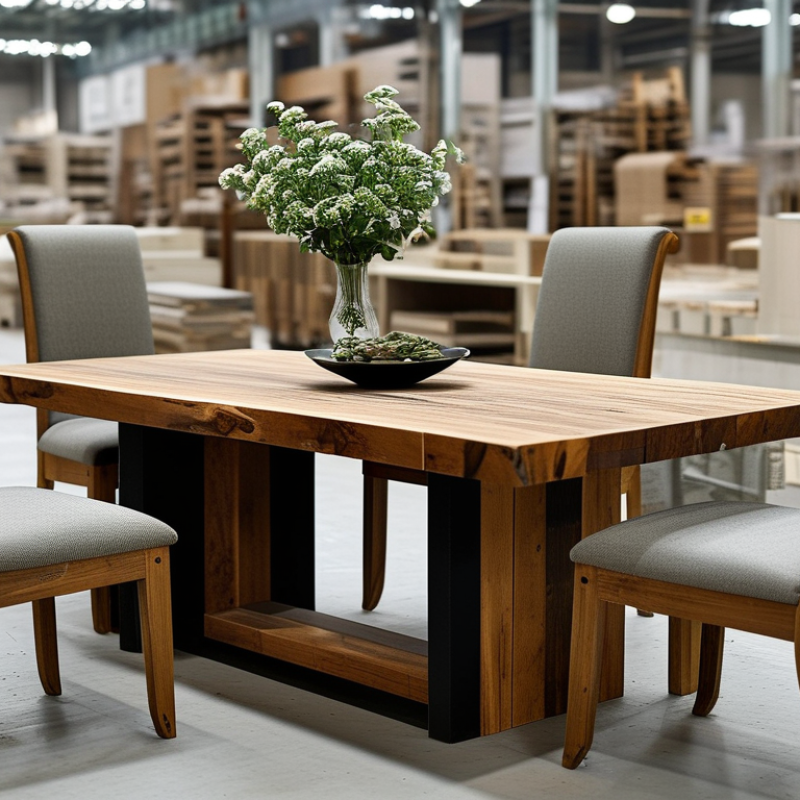
Define Quality Standards for Globally Sourced Furniture
How to Choose Quality Furniture for Global Sourcing?
Define Quality Standards for Globally Sourced Furniture
Quality begins with a written standard, not a attractive showroom sample. Define acceptable materials, dimensions, weight limits, surface finishes, and assembly tolerances. Specify wood moisture levels and board thicknesses where relevant. Check joints, drawer movement, edge sealing, and hardware strength. These details reveal quality more clearly than appearance alone.
Tips: Request a production sample before approval. Test it under realistic use. Place weight on shelves and open drawers repeatedly. Inspect hidden areas, not just visible surfaces. Ask for material records, inspection photos, and packaging details. A clear checklist helps different teams judge the same product consistently.
Global sourcing adds practical risks. Humidity can warp panels during transit or storage. Weak packaging may damage corners before delivery. Require protective wrapping, reinforced cartons, and clear handling marks. Independent inspections can verify measurements, materials, and workmanship before shipment. Still, inspection is not magic. A perfect report may miss problems that appear after months of use. Review customer feedback and update your standards regularly. Some requirements may need adjustment after real-world testing. That is not failure; it is useful evidence.
Evaluate Materials, Construction, and Product Durability
How to Choose Quality Furniture for Global Sourcing
Evaluate Materials, Construction, and Product Durability
Quality furniture begins with evidence, not attractive photographs. During supplier reviews, examine wood grain, panel edges, metal thickness, and fabric backing. Ask for the exact material specification, moisture range, coating type, and recycled content. Veneer should lie flat without bubbling. Upholstery should feel firm, yet recover after pressure. Small details often reveal larger manufacturing weaknesses.
Construction deserves hands-on testing. Open and close drawers repeatedly, then check whether gaps remain even. Mortise-and-tenon joints, reinforced corners, and properly seated fasteners usually improve stability. For upholstered pieces, inspect stitching around corners and stress points. A chair should survive repeated loading without rocking. Test samples in realistic conditions, including humidity changes and rough handling.
Durability claims need independent support. Request laboratory reports, production records, and inspection photographs linked to the actual order. Applicable furniture safety and performance standards should match the destination market. Packaging also matters; crushed corners can turn good construction into costly waste. A practical lesson is easy to miss: one approved sample does not prove consistent production. I have seen finish color and joint alignment change between batches. Build pre-shipment inspections into the purchase plan, and keep a retained sample for comparison. That extra control can expose problems before containers leave the factory.
Verify Supplier Credentials, Certifications, and Factory Capacity
When choosing furniture for global sourcing, supplier verification should begin before price negotiation. Ask for legal registration, ownership details, export history, and recent customer references. Check certification numbers with issuing bodies, not only scanned PDFs. Documents can deceive. Confirm the product scope, expiry date, factory address, and testing standard. For wood furniture, review material traceability and chemical test reports. For upholstered pieces, inspect fire-safety documents when destination rules require them. Small gaps matter.
Factory capacity needs physical evidence. During a site visit, count active lines, inspect cutting and finishing areas, and compare equipment with promised monthly output. Ask how many shifts operate during peak season. Review production schedules, worker training records, maintenance logs, and quality-control checkpoints. A factory may claim 10,000 units monthly but rely on subcontractors. That is not automatically unacceptable, but it must be disclosed and assessed. Record the arrangement in the supply agreement. Capacity is more than floor space.
Request a pilot order before committing to a large purchase. Measure dimensions, inspect joints, test drawer movement, and photograph packaging damage after simulated handling. Match the sample against the approved specification, including moisture content, coating thickness, hardware, and carton markings. Keep dated photos and signed inspection records. I have seen strong samples hide weak process control. Recheck during production. Supplier verification is never a one-time task. Markets change, staff leave, and certificates expire. Check the details. Leave room for doubt.
How to Choose Quality Furniture for Global Sourcing?
Verify Supplier Credentials, Certifications, and Factory Capacity
This practical checklist shows the minimum number of evidence records recommended for each supplier verification area before placing a global furniture order.
Verify business registration and ownership records, ISO 9001 quality-management certification, ISO 14001 environmental certification where relevant, FSC Chain of Custody claims for wood products, social-audit reports such as SMETA, and documented production-capacity evidence. SMETA is an audit methodology rather than a certification.
Compare Costs, Shipping Requirements, and Import Regulations
Choosing quality furniture for global sourcing starts with landed cost, not the factory quotation. In my sourcing audits, I compare material grades, joinery, finish durability, and replacement rates before approving samples. A low price can hide weak hinges, uneven coating, or costly rework after arrival. Request a detailed cost sheet covering labor, packaging, inspection, tooling, inland transport, freight, insurance, duties, and taxes. Keep these figures separate. It makes supplier comparisons less emotional.
Shipping can change the decision quickly. Measure packed length, width, height, and weight, then calculate cubic volume per unit. A bulky chair may leave unused container space, while knock-down construction can reduce freight cost. Confirm moisture protection, carton strength, stacking limits, and pallet treatment requirements before production. Wood packaging may require compliant treatment marks under destination-country rules. Ask whether delivery terms include export clearance, main carriage, destination charges, and final delivery. I once trusted a freight estimate based on ideal packing. The actual cartons were larger. That mistake was mine.
Import compliance deserves the same attention as workmanship. Check the correct HS classification, country-of-origin marking, product labels, safety tests, and restricted-material declarations. Requirements vary by furniture type and destination, especially for children’s products, upholstered items, electrical components, and treated wood. Use current customs guidance and obtain written advice from a qualified broker when classification is uncertain. Keep commercial invoices, packing lists, test reports, bills of lading, and origin records consistent. A missing document can delay release and add storage fees. I still leave a contingency allowance because regulations and freight rates can move faster than purchasing plans.
Inspect Samples and Establish Quality Control Procedures
A strong furniture sourcing program begins with a physical sample, not a polished supplier presentation. Request one production-equivalent unit before approving bulk orders. Check wood moisture, joint strength, dimensions, surface finish, hardware, and carton protection. Use a moisture meter and calipers. Photograph every defect beside a ruler. These details create useful evidence when discussions become difficult.
ISO 2859-1 provides a recognized framework for lot sampling and acceptable quality limits. Adapt its inspection levels to product risk. For example, a dining chair needs load and stability testing, while a cabinet needs alignment and door-cycle checks. The American Society for Quality notes that poor quality can cost companies 15–20% of sales. A small sampling budget may prevent much larger replacement and freight expenses. Still, inspection alone cannot fix weak specifications. That is easy to underestimate.
Tips: Write measurable acceptance criteria. Define color tolerance, scratch limits, moisture range, dimensions, and packaging strength. Ask an independent inspector to test random cartons, not only the best-looking sample. Record results in a shared report with defect photos and corrective deadlines. Deloitte’s 2023 Global Chief Procurement Officer Survey highlights continuing supply-chain volatility, so backup suppliers and repeat inspections matter. A checklist is never perfect. Review it after every shipment, especially when a “minor” defect reaches customers. Keep retained samples from approved production lots. They provide a physical reference when factory conditions or materials change.
Related Posts
-
How to Choose At Home Furniture for Every Room in Your House?
-

Top 10 Home and Furniture Manufacturers from China at the 137th Canton Fair
-

2026 Top Quality Furniture Trends for Global Buyers?
-
5 Essential Tips for Choosing the Right Site Furniture for Your Global Projects
-

Ultimate Guide to Choosing the Best Outdoor Comfortable Furniture for Your Space
-

Ultimate Guide to Compare the Best Outdoor Furnitures for Every Backyard Style

Catalog
Replacement Cushions
New Jersey Catalog