What is a Modern Wood Cabin and Why You Should Buy One?
Modern Wood Cabins are gaining popularity among nature enthusiasts and homebuyers. With their blend of contemporary design and natural materials, they offer a unique living experience. As renowned architect Sarah Thompson says, “A Modern Wood Cabin is more than a home; it’s a lifestyle choice.”
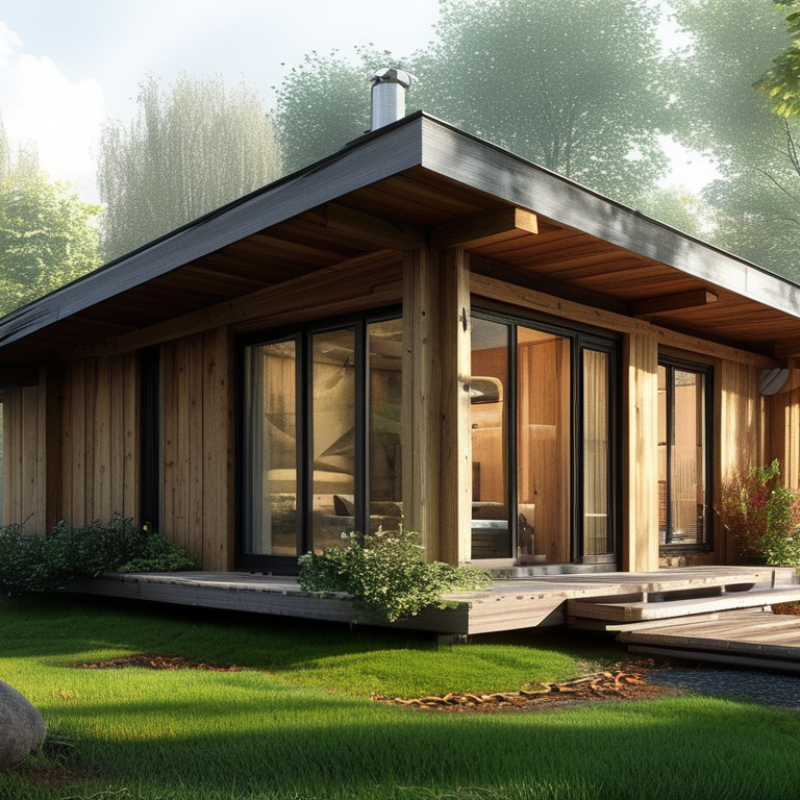
These cabins often feature large windows that bring the outdoors inside. Their eco-friendly designs promote sustainability while providing comfort. Imagine waking up to the sound of chirping birds and the sight of lush trees outside your window. This immersive connection with nature is something many seek.
However, buying a Modern Wood Cabin also requires careful consideration. The maintenance can be demanding, depending on the materials used. Potential owners should assess their commitment to upkeep. Thus, the choice of a Modern Wood Cabin is not just about aesthetics; it’s about embracing a lifestyle that marries the beauty of nature with the comfort of home.
Understanding Modern Wood Cabins: Key Features and Benefits
Modern wood cabins are becoming popular choices for those seeking an escape from urban life. These cabins blend rustic charm with contemporary design. They often feature large windows, open spaces, and energy-efficient systems. According to a report by the National Association of Home Builders, 60% of homebuyers prioritize energy efficiency in their new homes. This trend is evident in many modern wood cabins today.
One key feature of these cabins is their sustainable materials. Using responsibly sourced timber, they reduce the carbon footprint. A study published in the Journal of Sustainable Forestry revealed that wooden structures can sequester carbon, helping to combat climate change. Plus, wood as a construction material is known to regulate humidity, creating a comfortable indoor environment.
Consider the location when choosing a modern wood cabin. Proximity to nature encourages outdoor activities and relaxation. Research shows that nature exposure can reduce stress and improve overall well-being. Evaluate local building regulations and zoning laws as well; these can influence your project. Opting for a modern wood cabin can be rewarding but involves careful planning and reflection on your lifestyle needs.
The Environmental Impact of Modern Wood Cabins on Sustainability
Modern wood cabins are increasingly recognized for their role in sustainability. Constructed with renewable materials, they have a minimal carbon footprint. By utilizing local timber, these cabins support sustainable forestry practices. This approach ensures that forests maintain their health and biodiversity. Most modern wood cabins also integrate energy-efficient features, such as solar panels and high-quality insulation, reducing reliance on fossil fuels.
Creating a sustainable living space goes beyond just the building materials. Consider using non-toxic finishes and appliances that lower energy use. This commitment can significantly enhance indoor air quality and reduce environmental impact. Choose energy-efficient windows to minimize heat loss and maximize natural light. Small changes lead to substantial improvements.
For those contemplating a modern wood cabin, reflect on your lifestyle. Think about your energy use and waste generation. A modern wood cabin can inspire positive changes. It’s not just a purchase; it’s a step toward a more eco-conscious life. Assess your needs carefully. This reflection is crucial in ensuring your investment aligns with your values of sustainability and ecological responsibility.
Cost Analysis: Investing in a Modern Wood Cabin vs. Traditional Homes
Investing in a modern wood cabin can offer distinct advantages over traditional homes. One major aspect to consider is the initial cost. Modern wood cabins can be built more affordably than typical brick-and-mortar homes. The use of sustainable materials often leads to lower labor costs and quicker construction times. However, this can vary based on location and builder expertise. Make sure to get multiple quotes.
Another key factor in cost analysis is long-term savings. Wood cabins often provide better energy efficiency. With proper insulation, they can significantly reduce heating and cooling bills. Plus, they often require less maintenance than traditional homes. Still, wood can be prone to certain issues, like termites or rot, if not properly managed. Regular upkeep is essential but can be seen as an investment in your cabin’s future.
Financing options may differ between modern wood cabins and traditional structures. Some lenders are unfamiliar with cabins, which could make obtaining a mortgage more complex. Researching potential challenges in securing funding is crucial. The unique charm of a wood cabin can enhance resale value but may also present ups and downs in the housing market. Understanding these nuances will help you make an informed decision.
Design Trends in Modern Wood Cabins: Aesthetic and Functional Aspects
When considering a modern wood cabin, design trends emphasize both aesthetics and functionality. Natural materials, especially wood, create a warm and inviting atmosphere. In recent reports, around 70% of buyers prioritize eco-friendly materials when selecting home designs. This aligns with the increasing consumer demand for sustainability and minimal environmental impact. Large windows are also a prominent trend. They not only enhance natural light but also connect indoor spaces with the surrounding landscape.
Functional layouts are important too. Open floor plans maximize space and promote social interaction. Designers often integrate multi-purpose furniture to optimize smaller areas. Studies show that well-designed spaces can improve mental health and well-being, offering a sense of calm and connection to nature. However, some modern designs may sacrifice coziness for sleek appearances, leading to a less personal touch.
Consider these tips when selecting a wood cabin design. Choose energy-efficient windows to enhance insulation and reduce energy costs. Incorporate modular furniture that can be easily adjusted for changing needs. Look for local craftsmanship to support your community and ensure quality. Balancing aesthetics with function is key, yet this delicate balance can be challenging. Reflect on your specific needs and lifestyle while exploring design options.
Market Demand for Modern Wood Cabins: Statistics and Future Growth
The market demand for modern wood cabins has been rising steadily. In recent years, more people seek sustainable living options. Statistics show a significant increase in online searches for these cabins. This trend highlights a growing appreciation for natural materials and minimalist design. Many buyers are drawn to the environmentally friendly aspects of wood.
Future growth in this market looks promising. A shift towards remote working has sparked interest in vacation retreats and second homes. Cabin designs feature open layouts and large windows, enhancing connection with nature. Yet, not every modern wood cabin is created equal. Buyers should consider factors like climate adaptation and maintenance costs. These aspects often go overlooked but are crucial for long-term enjoyment. The appreciation of nature's aesthetics sometimes counters practical considerations.

 Catalog
 Replacement Cushions
 New Jersey Catalog