Top 10 Smart Home Safety Devices You Need for Protection
In recent years, home security has evolved with technology, leading to the rise of Smart Home Safety Devices. According to a report by Statista, 30% of U.S. households owned at least one smart device by the end of 2021. This trend highlights a growing awareness of personal safety and convenience. However, while these devices offer various features, not all are equally effective.
Many consumers underestimate the importance of choosing high-quality products. A poorly designed smart camera, for instance, can compromise your privacy rather than enhance it. Data from the Consumer Technology Association indicates that the smart home security market will exceed $74 billion by 2025. This rapid growth reflects both increasing consumer demand and an expanding range of available devices. Yet, potential buyers should approach this technology thoughtfully.
Investing in Smart Home Safety Devices can provide peace of mind. Nevertheless, understanding their limitations is crucial. While smart locks can deter burglaries, they might fail without robust Wi-Fi or power supply. Evaluating your specific needs and the reliability of devices can ensure a safer home environment.
Essential Features to Look for in Smart Home Safety Devices
When selecting smart home safety devices, essential features are vital for effective protection. A reliable device should include real-time monitoring capabilities. Statistics show that homes without security systems are three times more likely to be broken into. Thus, having an alert system can significantly deter criminals.
Consider devices with mobile app integration. This allows users to receive notifications anywhere. A report by Statista notes that 47% of smart home users prioritize convenience over other features. Moreover, geofencing can enhance security by automating locking mechanisms based on users' locations.
Additional attributes to seek include compatibility with other smart devices. For instance, systems should integrate with smoke detectors and alarms. The ability to connect can strengthen the overall safety strategy. Yet, users must reflect on potential vulnerabilities. A device's reliance on Wi-Fi can be a weakness. Inadequate security protocols could expose homes to cyber threats. Understanding these aspects is crucial for ensuring comprehensive security at home.
Top 10 Must-Have Smart Security Cameras for Home Surveillance
Smart security cameras have become essential for home surveillance. Recent reports suggest that nearly 75% of homeowners feel safer with a security camera installed. These devices can deter crime effectively, making them a top investment for home safety. Many cameras offer features like night vision and motion detection. This allows for constant monitoring, even in low light.
When selecting a security camera, consider the type of coverage you need. Indoor cameras serve different purposes than outdoor ones. Some models have two-way audio for direct communication. Others may include cloud storage for recorded footage, which is critical for evidence collection.
Despite the advancements, not every camera is perfect. Issues like unreliable connectivity or complicated setups can frustrate users. A study by the Security Industry Association indicates that 30% of new users report difficulties with initial installation. This highlights the importance of user-friendly features. Homeowners should research and read reviews to ensure a seamless experience. Investing time in understanding your camera’s capabilities is crucial for maximizing its potential.
The Importance of Smart Locks for Enhanced Home Security
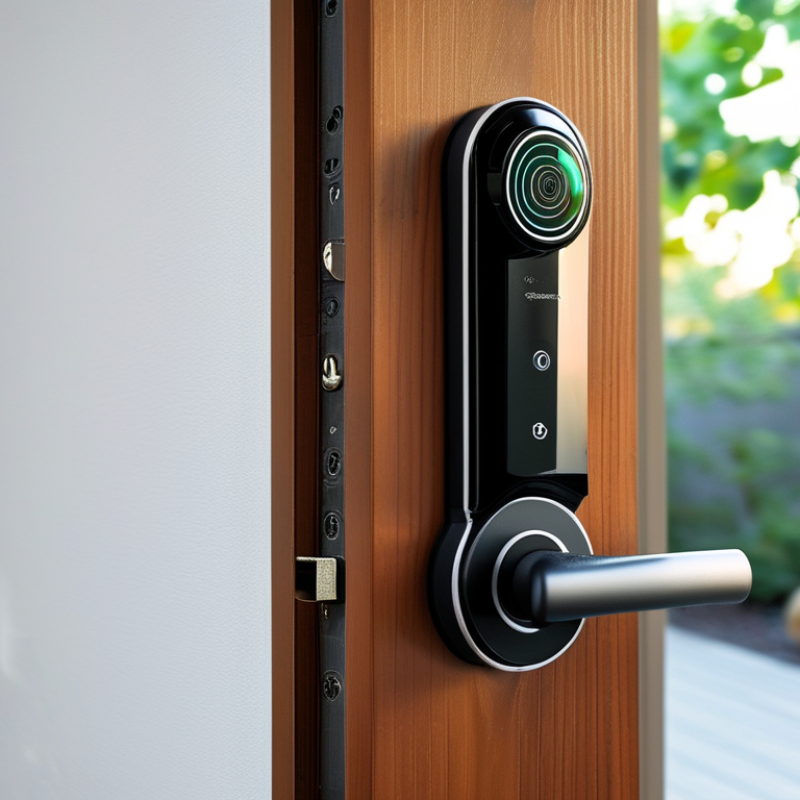
Smart locks are a game changer for home security. They offer convenience and enhanced safety features that traditional locks can't match. According to the latest research by the Security Industry Association, smart locks can reduce home break-ins by up to 50%. This statistic highlights their effectiveness in safeguarding homes.
These devices provide various access methods, such as keypads, smartphone apps, and biometric recognition. This diversity allows homeowners to control access easily. You can grant temporary access to visitors or service personnel without compromising your security. However, the reliance on technology does raise concerns. If the system malfunctions or is hacked, it can leave a home vulnerable. Recent studies indicate that 30% of smart lock users report issues with connectivity or control.
Moreover, it's essential to consider user behavior. Many users forget to update their passwords or fail to enable two-factor authentication. These oversights can compromise the very security that smart locks are designed to provide. Experts recommend regular system checks and updates to ensure optimal performance. Investing in smart locks is wise, but homeowners must remain vigilant and proactive about their security measures.
Integrating Smart Smoke and Carbon Monoxide Detectors into Your Home
Integrating smart smoke and carbon monoxide detectors into your home is essential for safety. These devices offer a sophisticated layer of protection. They can alert you when danger arises, even when you are not at home.
Imagine being away and receiving a notification on your phone. Your smart detector senses smoke or carbon monoxide. This feature gives you peace of mind. However, it’s crucial to ensure that your detectors are installed correctly. Sometimes, users overlook placement. A poorly positioned detector may not sense smoke effectively.
Regular maintenance is also crucial. Battery issues can cause false alarms or failures. Some devices allow for self-testing via an app. This feature can help ensure they are functioning properly. However, remember that technology can sometimes fail. Being aware of these limitations is just as important as having the devices in place. Safety should always be your top priority.
Top 10 Smart Home Safety Devices You Need for Protection
| Device | Key Features | Connectivity | Battery Life | Price Range |
| Smart Smoke Detector | Real-time alerts, smartphone notifications | Wi-Fi/Bluetooth | 5 years | $99 - $199 |
| Smart Carbon Monoxide Detector | Voice alerts, mobile app integration | Wi-Fi | 7 years | $89 - $179 |
| Smart Security Camera | HD video, night vision, two-way audio | Wi-Fi | Up to 12 months | $50 - $300 |
| Smart Door Lock | Keyless entry, remote access | Bluetooth/Wi-Fi | 9 months | $100 - $250 |
| Smart Motion Sensor | Alerts on movement detection | Zigbee/Wi-Fi | 2 years | $30 - $100 |
| Smart Water Leak Detector | Instant leak alerts, temperature monitoring | Wi-Fi/Bluetooth | 3 years | $30 - $100 |
| Smart Thermostat | Remote temperature control, energy usage reports | Wi-Fi | 3 years | $100 - $300 |
| Smart Home Hub | Controls multiple devices, home automation | Zigbee/Z-Wave/Wi-Fi | 3 years | $50 - $200 |
| Smart Siren Alarm | Loud alarm, alerts via phone | Wi-Fi/Zigbee | 2 years | $30 - $100 |
Best Smart Home Alarms and Sensors to Ensure Your Safety
Home safety is a growing concern for many. Smart home alarms and sensors play a key role in enhancing security. These devices not only alert you about intrusions but also monitor environmental conditions. For instance, a smoke detector can send alerts to your phone if smoke is detected. This ensures you can respond quickly, even when away.
Surveillance cameras are vital for a comprehensive safety approach. They can provide real-time feeds, helping you keep an eye on your property. Some models come with two-way audio, allowing communication from a distance. However, the quality of these devices can vary greatly. Choosing the right specifications is crucial, as some may not meet your needs.
While convenience is a major factor, privacy is another important consideration. Some alarms and sensors require constant internet access. This can expose you to potential hacking risks. Regularly updating device settings can help mitigate these concerns. Keeping your home secure requires balancing technology with personal vigilance.
Top 10 Smart Home Safety Devices You Need for Protection

 Catalog
 Replacement Cushions
 New Jersey Catalog